Adaptive Risk-Based Authentication Model for an Online Banking Platform
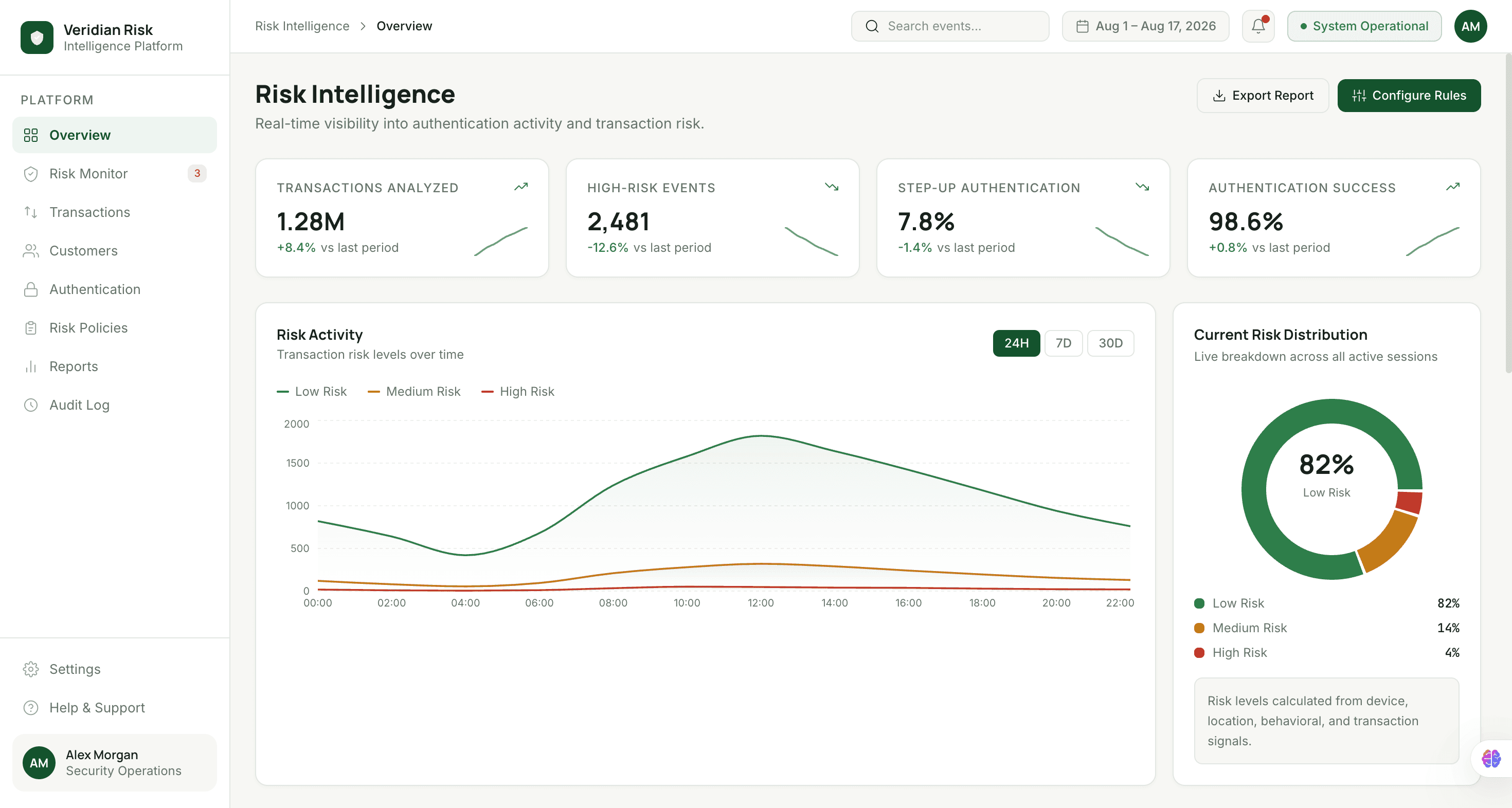
Built an adaptive authentication model for an online banking platform that adjusts login and transaction verification requirements based on real-time risk signals like device history, location consistency, and behavioral patterns, rather than applying the same fixed…
Overview
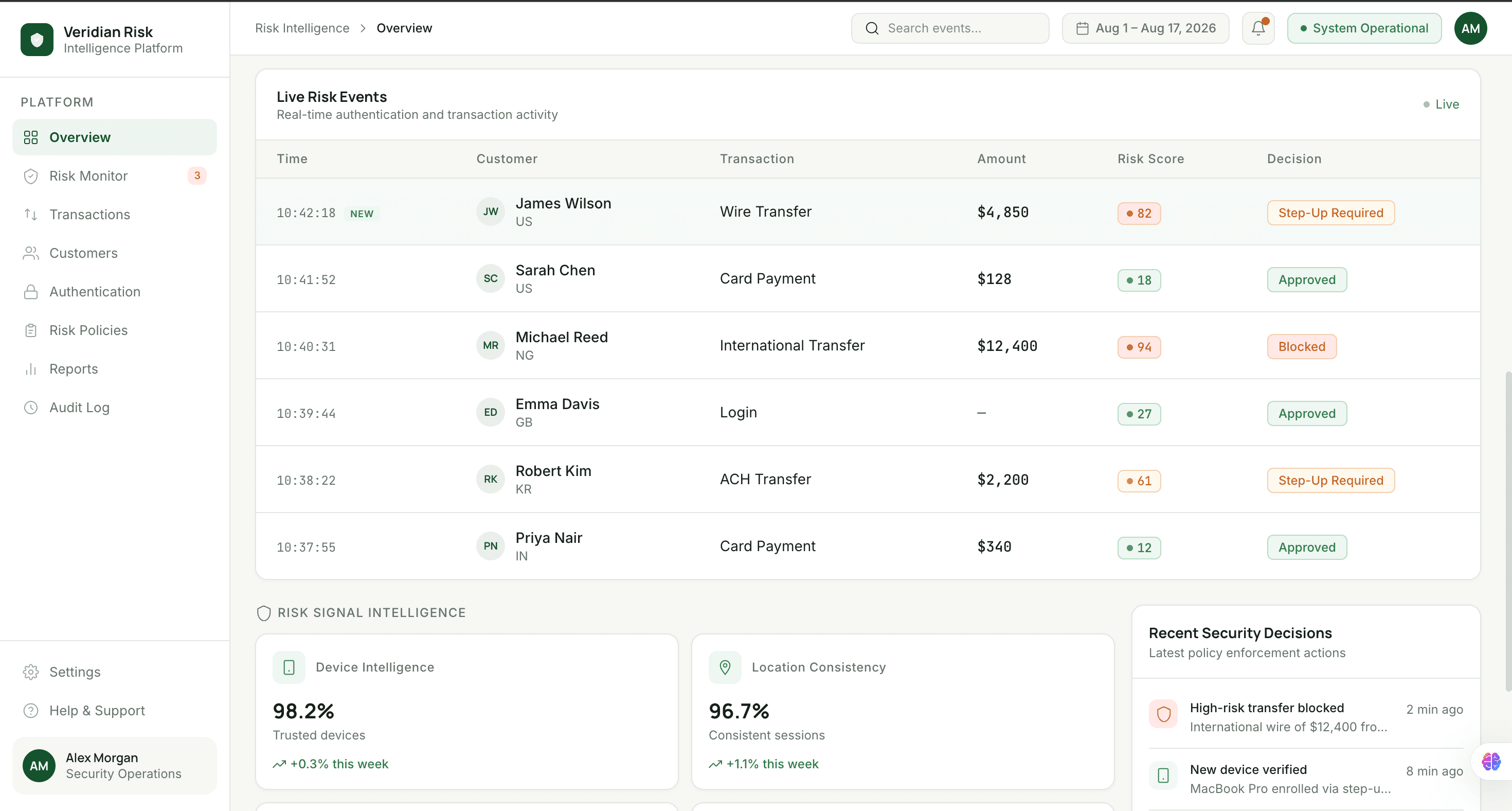
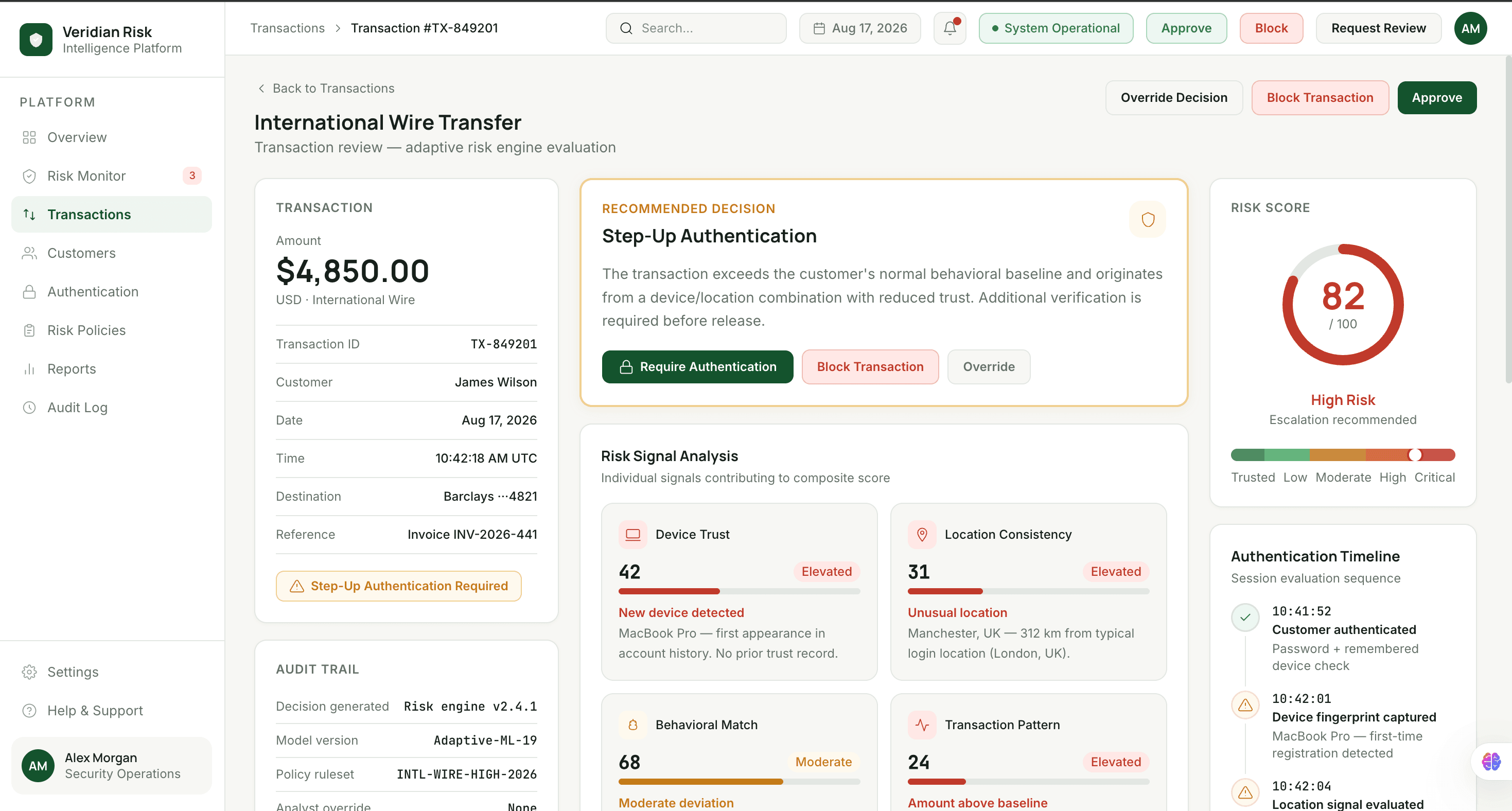
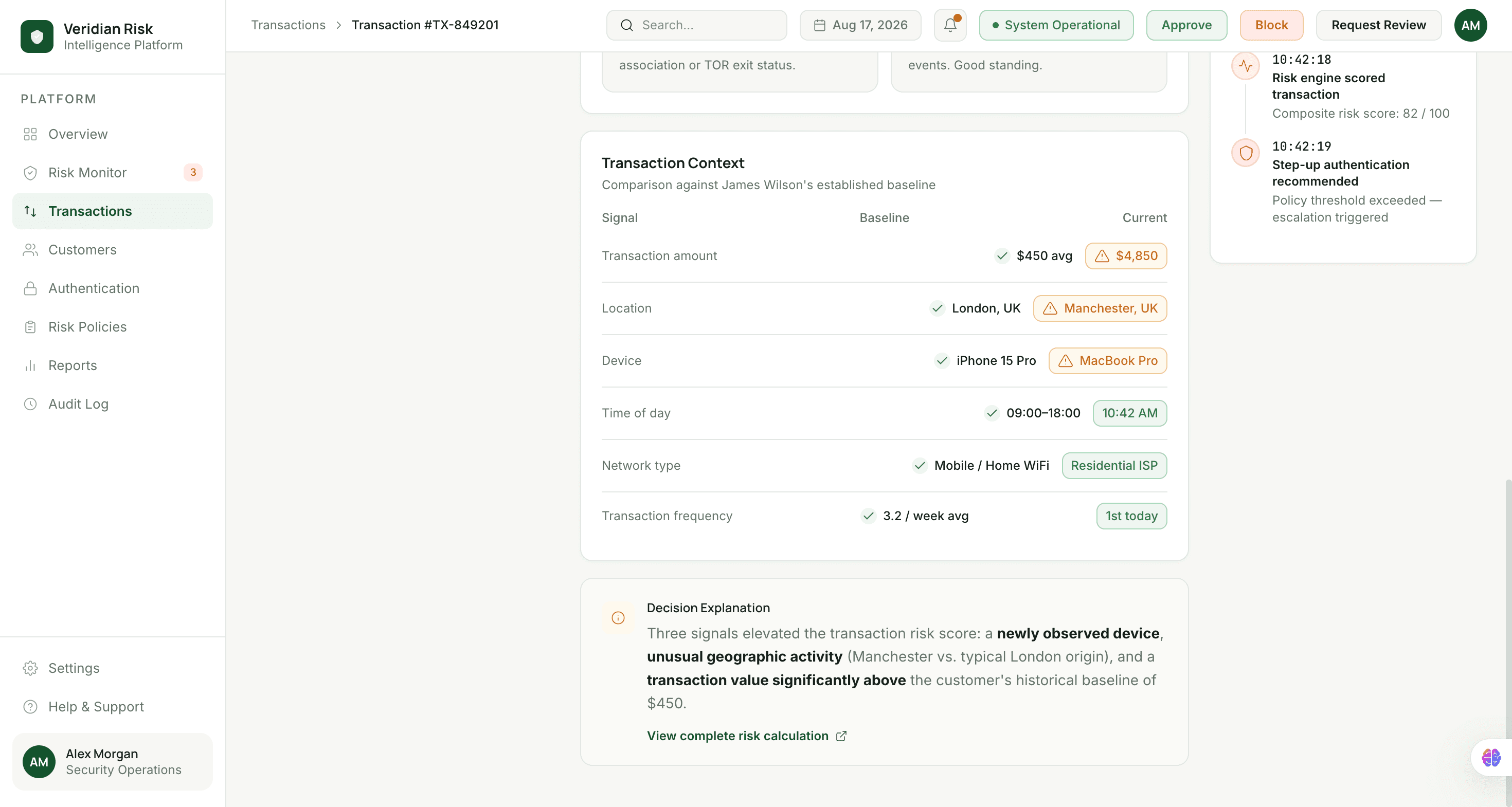
Built an adaptive authentication model for an online banking platform that adjusts login and transaction verification requirements based on real-time risk signals like device history, location consistency, and behavioral patterns, rather than applying the same fixed authentication rules to every login regardless of risk. Low-risk logins from a recognized device and location proceed smoothly, while unusual activity automatically triggers additional verification steps before a transaction is allowed to proceed. This reduced friction for the platform's legitimate customers on routine logins while tightening scrutiny exactly where risk was actually elevated. The model was built to log its reasoning for every step-up decision, since the platform's regulators required decisions to be explainable, not just accurate. An online banking platform applied the same fixed authentication rules to every login regardless of actual risk, creating unnecessary friction for legitimate customers while not specifically tightening scrutiny where risk was genuinely elevated. We built an adaptive authentication model adjusting login and transaction verification requirements based on real-time risk signals — device history, location consistency, behavioral patterns — with every step-up decision logged and explainable to satisfy regulatory requirements. We built the model's reasoning to be logged and explainable from the outset, since the platform's regulators required decisions to be justifiable, not just accurate. It ran in shadow mode comparing its recommendations against the platform's existing fixed rules for a full month before making live authentication decisions. Unnecessary authentication friction dropped for the vast majority of low-risk logins, while security measurably tightened around genuinely suspicious activity — improving the experience and the protection at the same time.
What's included
- Real-time risk-signal-based authentication adjustment
- Device history and location consistency scoring
- Behavioral pattern analysis
- Explainable, logged reasoning for every step-up decision
- Reduced friction for low-risk, routine logins
Gallery
Interested in Adaptive Risk-Based Authentication Model for an Online Banking Platform?
Tell us a little about your business and we'll put together a tailored plan.